The Ultimate Guide to Boat Transport: Everything You Need to Know
Your complete guide to boat shipping in 2026. Learn about cost factors, hiring carriers, avoiding scams, and preparing your vessel for a cross-country haul.
Stressing over transport quotes that look completely made up? We've been there. Calculate the exact 2026 shipping cost for your boat overland, in-water, or by ocean freight—adjusted for distance, size, season, and hidden permits.
Last updated:
Explore our complete suite of boat shipping, transport, and finance calculators.
Estimate overland, in-water, and ocean freight costs for your boat.
Determine if your boat requires wide-load permits and escorts.
Calculate costs for shipping boats overseas via RoRo or container.
Calculate monthly and annual marina docking costs by region.
Estimate monthly payments for your boat financing.
Follow the exact steps to get your result instantly and privately.
Add your boat's length, beam, and the shipping distance in miles. Height and weight are optional.
Staring at a massive transport bill? Human brains don't naturally process weird variable rates, but the math behind boat shipping is actually pretty straightforward. Because every shipment is unique, transport companies typically calculate quotes using a combination of physical specifications, logistical requirements, and market variables. Boat shipping starts from a simple base — a rate per mile multiplied by the distance.
Vessel specifications are the most significant factor in your cost estimate. That per-mile rate climbs with boat size, from $1.25–$2.00 for small boats up to $25 for yachts. A beam over 8.5 ft triggers oversize-load permits ($50–$250 per state) and may require specialized route planning or escort vehicles, which significantly raise the price. Heavier boats also require more powerful towing vehicles and specialized lifting equipment.
The distance and route play a major role as well. Short hauls under 500 miles cost more per mile because loading, setup, and permitting are fixed costs. While long-distance hauls may seem expensive, they sometimes have a lower cost-per-mile rate. Furthermore, if your route involves narrow roads, bridges, or difficult terrain that limits accessibility, costs will rise due to the extra time and handling required.
Finally, seasonality, transport method, and additional variables can shift the final number. Spring and summer add a 15–25% peak demand premium. Transporting your boat in-water is generally 15% cheaper than overland hauling, while ocean freight multiplies the base rate by roughly 2.5×. You must also account for fuel prices, which are often passed on to customers via an 8% surcharge. Run the numbers here before you call a single hauler to ensure you get a fair price.
Base Cost = Rate per Mile × Distance
  × Distance Multiplier   (short haul +35%, long haul −10%)
  × Season Multiplier     (peak +20%, off-peak ×1.0)
  × Transport Method      (in-water −15%, ocean +150%)
  + Fuel Surcharge        (8% of base)
+ Permit Fees (if beam > 8.5 ft)For example: A 28 ft boat with a 10 ft beam shipped 800 miles overland in summer, crossing 3 states. That’s the mid-size tier at $2.75/mile × 800 × 1.10 (medium haul) × 1.20 (peak season) = $2,904 base. Add an 8% fuel surcharge ($232) and 3 oversize permits ($450). Your total is about $3,586. Not too bad for a Tuesday.
| Scenario | Calculation | Result |
|---|---|---|
| 18 ft fishing boat · 300 mi · overland | Small tier $1.50/mi × 300 × 1.35 (short haul) + 8% fuel | $547 – $875 · ≈ $2.19/mile |
| 32 ft sailboat · 1,200 mi · overland · summer | Mid tier $2.75/mi × 1,200 × 1.20 + fuel + 4 permits ($600) | $3,710 – $6,043 · ≈ $4.06/mile |
| 45 ft motor yacht · 500 mi · overland | Large tier $4.75/mi × 500 × 1.35 + fuel + 3 permits ($450) | $3,002 – $4,824 · ≈ $7.83/mile |
| 28 ft boat · 600 mi · in-water | Mid tier × 600 × 1.10 (medium) × 0.85 (in-water) + fuel | $1,212 – $2,121 · ≈ $2.78/mile |
| 60 ft yacht · 3,000 mi · ocean freight | Yacht tier × 3,000 × 0.90 (cross-country) × 2.50 (ocean) + fuel | $43,740 – $182,250 · ≈ $24.30/mile |
| Boat Size | 500 Miles | 1,000 Miles | 2,000 Miles | Rate/Mile (mid) |
|---|---|---|---|---|
| Small (under 20 ft) | $750 | $1,470 | $2,610 | $1.47–$1.63 |
| Mid-Size (20–35 ft) | $1,375 | $2,750 | $4,950 | $2.75 |
| Large (35–55 ft) | $2,375 | $4,750 | $8,550 | $4.75 |
| Yacht (55+ ft) | $5,000 | $10,000 | $18,000 | $10.00 |
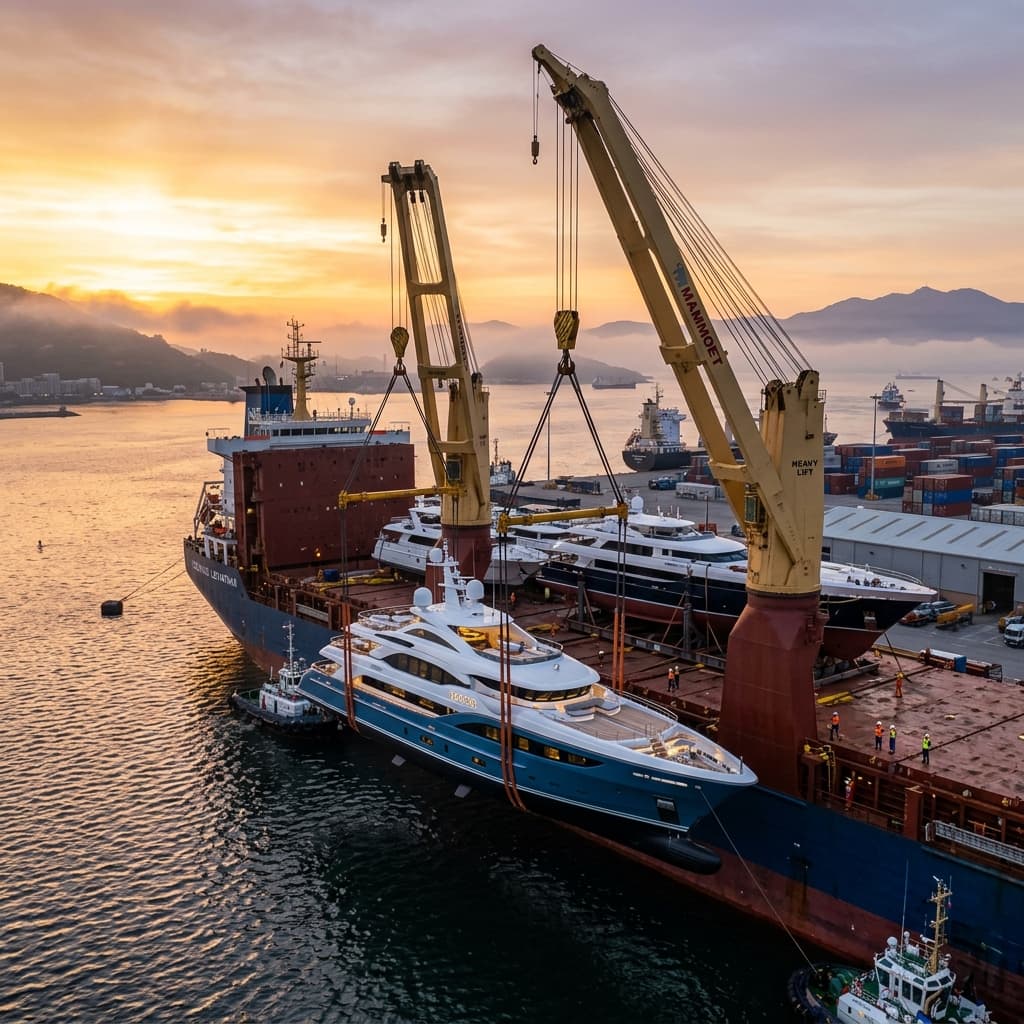
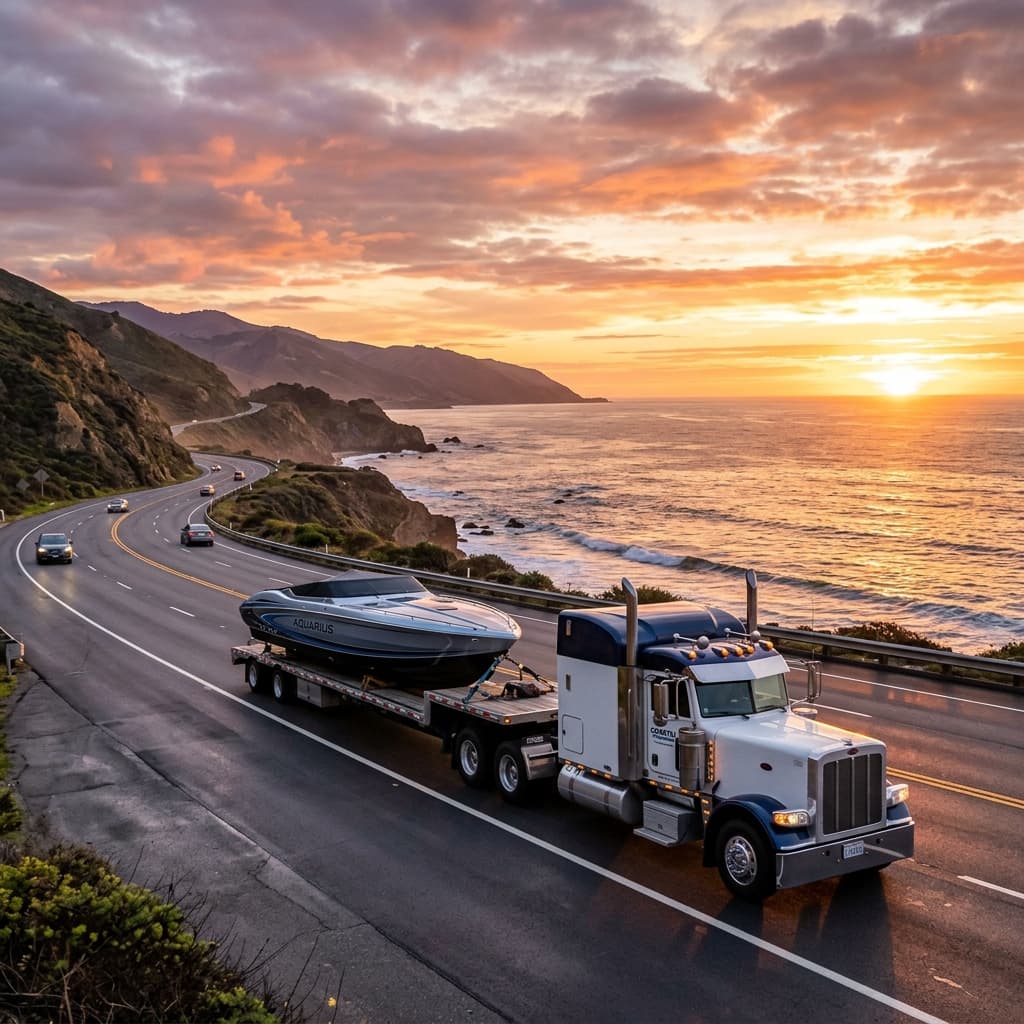
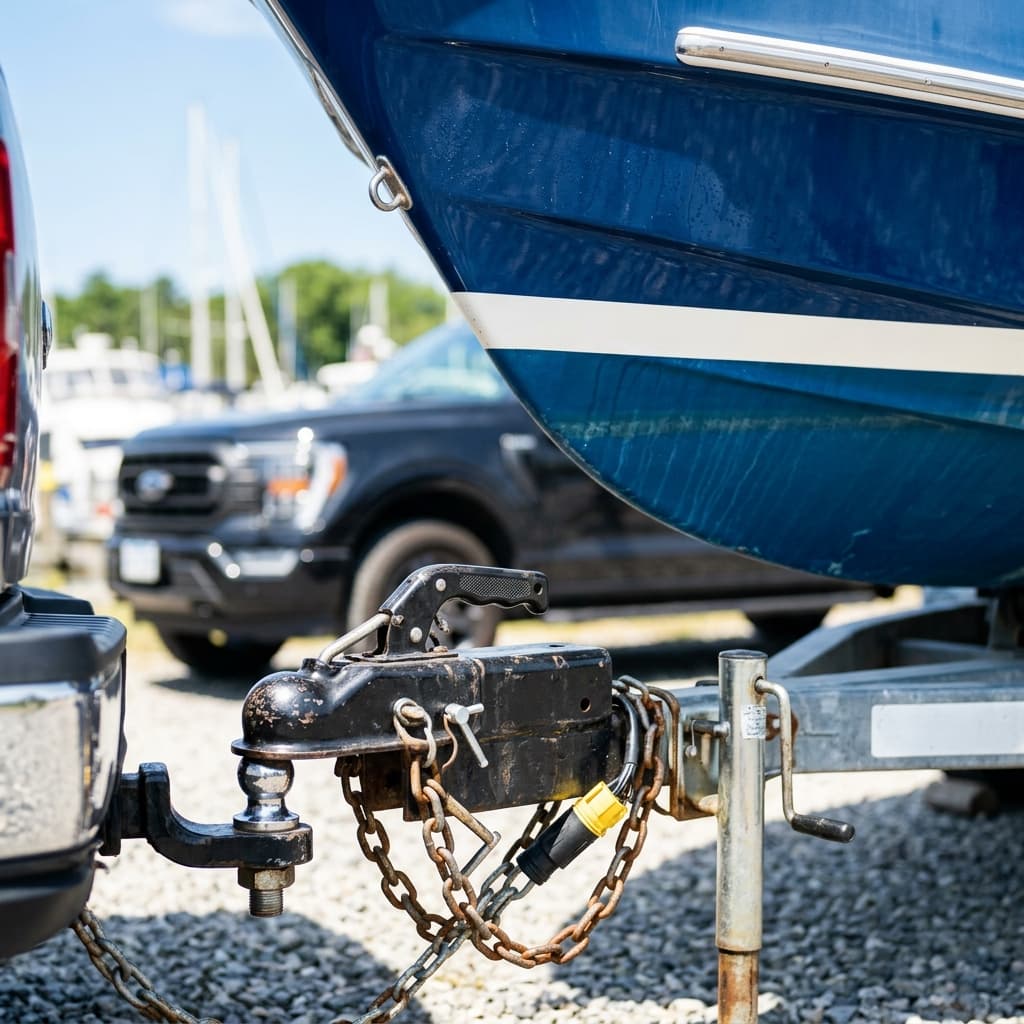
Your complete guide to boat shipping in 2026. Learn about cost factors, hiring carriers, avoiding scams, and preparing your vessel for a cross-country haul.
Boat shipping costs $1.25–$25 per mile depending on size. Here are 2026 rates by boat size, what triggers oversize permits, and when to ship to save money.
Most boat shipments land between $1.25 and $25 per mile depending on size. A small boat moving 300 miles might cost $500–$900, a mid-size boat crossing the country $3,000–$6,000, and a large yacht shipped by ocean freight tens of thousands of dollars. Size, distance, beam width, season, and transport method all move the number.
Across the CitizenShipper marketplace, boat transport averages about $1.47 per mile in 2026 for standard trailerable boats. Larger and oversize boats cost more per mile — mid-size boats run $2.00–$3.50, large boats $3.50–$6.00, and yachts $6.00–$25.00 per mile.
A beam over 8.5 ft triggers oversize-load permits in every state you cross, at $50–$250 per state. Short hauls cost more per mile because setup and permitting are fixed, peak season (April–September) adds 15–25%, fuel surcharges add about 8%, and ocean freight multiplies the base rate by roughly 2.5×.
Yes. Once a boat's beam passes 8.5 ft it counts as an oversize load, and each state it travels through requires its own permit — typically $50–$250 apiece. Very tall loads over about 13.5 ft of road clearance can also need height permits and route surveys.
Fall and winter (October–March) avoid the spring/summer premium and usually price 15–25% lower. If your schedule is flexible, shipping in the off-season is the single easiest way to cut the bill.
Overland moves the boat on a truck and trailer and can reach almost any address, but it triggers permits for wide loads. In-water transport runs the boat from marina to marina and costs about 15% less, though it only works for boats that can be crewed or moved under their own power.
Use this estimate as a benchmark, then collect at least three real quotes from carriers or a marketplace. Give each company the same details — length, beam, height, weight, pickup and delivery points, and dates — so the bids are directly comparable.
Yes. The estimate adds an 8% fuel surcharge and, for overland moves with a beam over 8.5 ft, oversize permit fees for the states you cross. Add your boat's value and it also estimates insurance. It does not include marina haul-out, blocking, or storage fees.
To calculate boat transport cost, multiply the carrier's rate per mile by the total distance of the trip. Then, add seasonal surcharges (15-25% in summer), fuel surcharges (typically 8-10%), and state-specific oversize permit fees if your boat's beam exceeds 8.5 feet.
The primary factors affecting boat shipping prices are total distance, boat dimensions (length, beam, height, and weight), seasonality (peak vs. off-peak), transport method (overland, in-water, or ocean freight), and fuel costs. Oversize boats require special permits and escort vehicles, which significantly raise the final price.
For international moves, container shipping is often cheaper than Roll-on/Roll-off (RoRo) or overland freight, but it requires the sailboat to fit within standard container dimensions (usually a 40ft container). This typically means the mast must be unstepped and the keel may need to be removed to fit the strict height and width limits.
The best way to find affordable boat moving companies is to use a transport marketplace like CitizenShipper or uShip, where vetted local and national haulers bid on your shipment. Always compare at least three quotes and check the carrier's DOT authority and cargo insurance limits before booking.